


Why organisations use this route
Better decision records
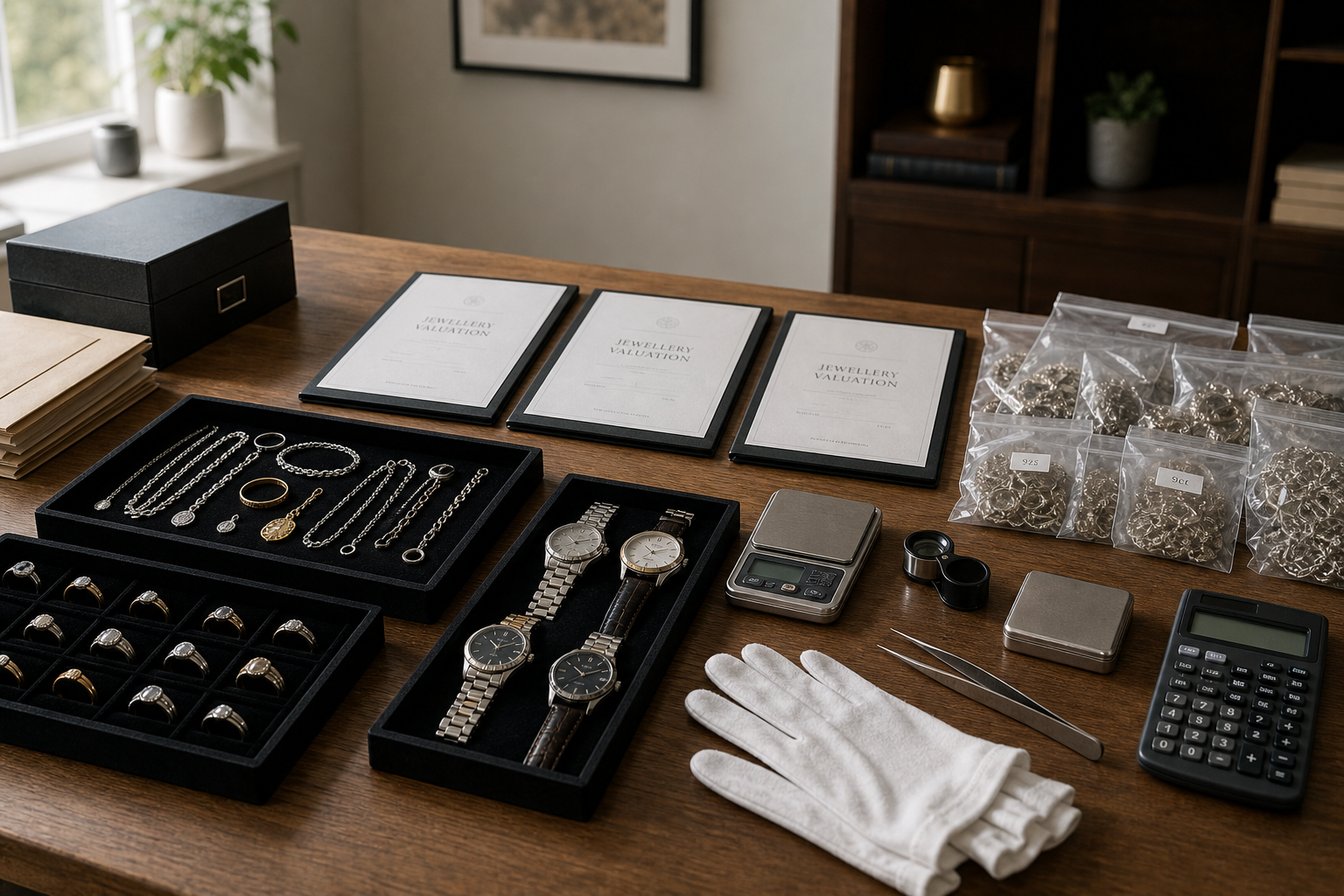
Three valuations help charities and firms show they checked value carefully.
Useful for surplus stock
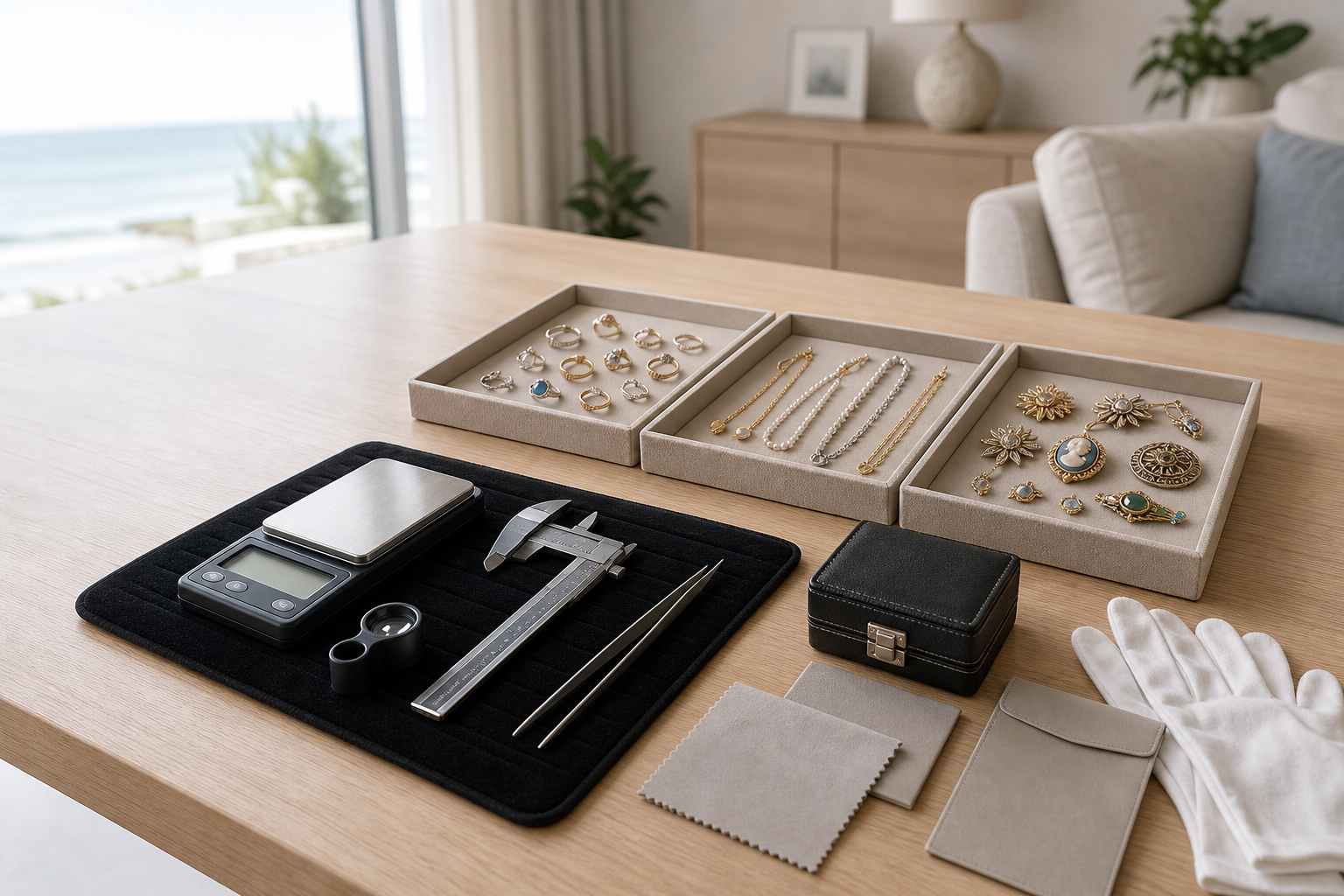
We can assess mixed jewellery, watches and jewellers' older part lines.
Simple on site visits
Home appointments can suit larger groups of items and secure handling.
A clear buying route for organisations
When a charity or business needs to turn jewellery, watches or precious metal items into funds, the process needs to feel practical and well evidenced. We buy directly rather than simply listing goods on your behalf, which can save time when you are clearing donations, old stock or redundant lines. From Bournemouth, we assess silver jewellery, some gold pieces, watches and bulk jewellery stock with the same transparent approach we use for private sellers. With Elizabeth Jewellers, you receive three valuations before deciding whether to sell, helping trustees, managers or owners compare the figures with more confidence. We also sell selected jewellery and watches through Whatnot, eBay and Facebook, giving charities and businesses another way to reach buyers across Dorset, Hampshire and Wiltshire.
How to prepare larger or mixed collections
Sorting items by type helps immediately. Before you bin it, find out what your jewellery is worth. If you can separate silver, gold and watches, note any hallmarks and gather receipts, boxes or provenance details, the appraisal becomes easier and clearer. Home visits can work especially well where there are multiple items or handling needs to stay simple on site. We can also discuss postal submissions where that makes more sense for the collection. At Elizabeth Jewellers, purchased items move through established online marketplaces and live sales, so we are used to assessing varied stock for realistic onward demand. Send us jewellery photos via WhatsApp and we’ll discuss the next steps with you.
Frequently asked questions
Can we assess donated or surplus jewellery in bulk?
Yes, we can look at mixed collections from charities and businesses, including donated jewellery, watches and older stock lines. Sorting items before contact helps, but we are used to seeing varied lots and can explain how different categories may be valued and sold on.
Why are three valuations helpful for organisations?
They give decision makers more than one figure to compare, which can help when recording how value was checked before a sale. That added transparency matters when trustees, managers or owners need a clearer basis for deciding whether to accept an offer or wait.
What should an organisation prepare before a visit?
If possible, gather items by type, note any hallmarks or obvious damage, and keep boxes, receipts or donation records nearby. It also helps to be clear about ownership or authority to sell, so the valuation discussion can move smoothly if you decide to proceed.